
Experienced VBAC Doula Support You Can Feel Confident In:
A New Birth Story Begins Here
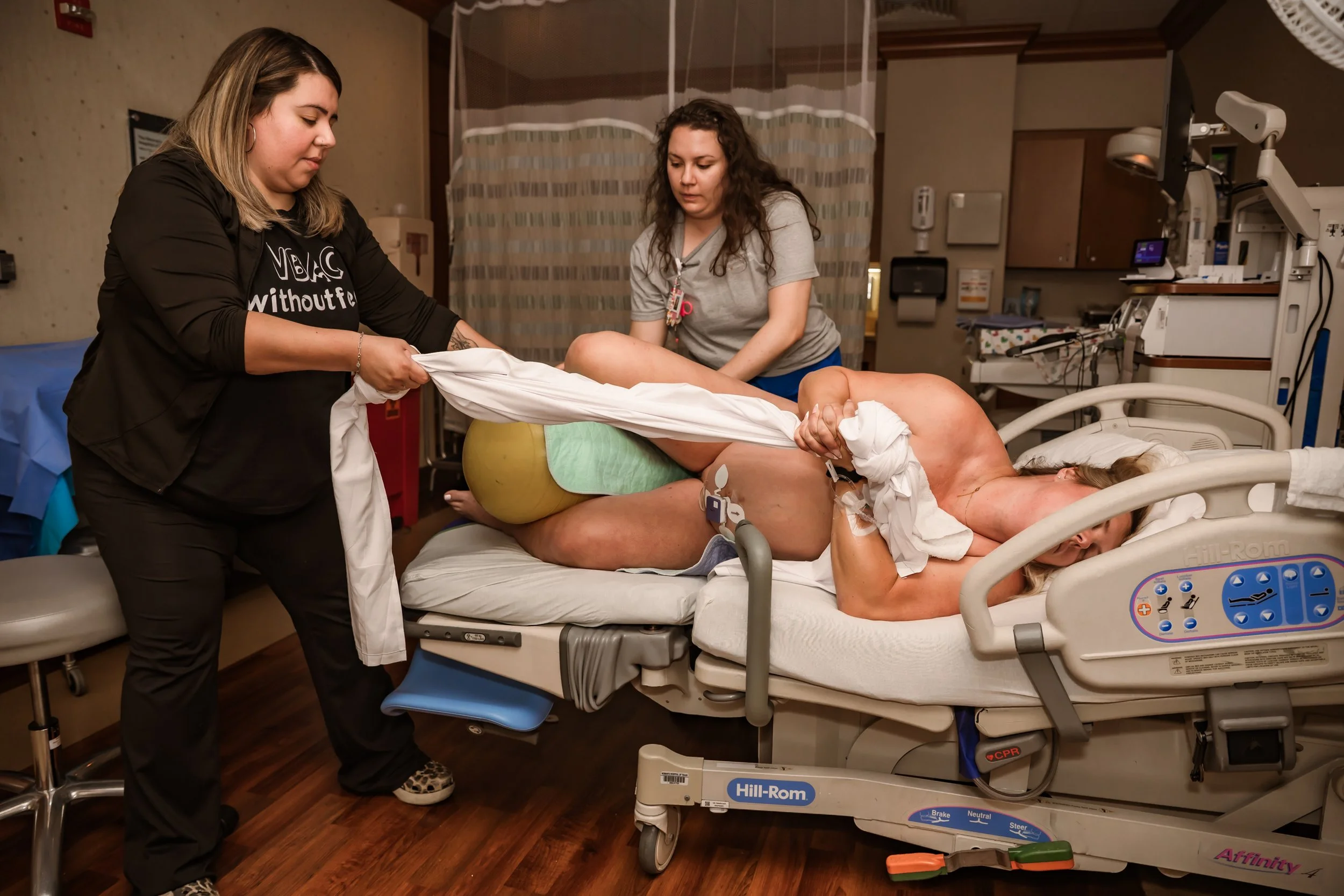


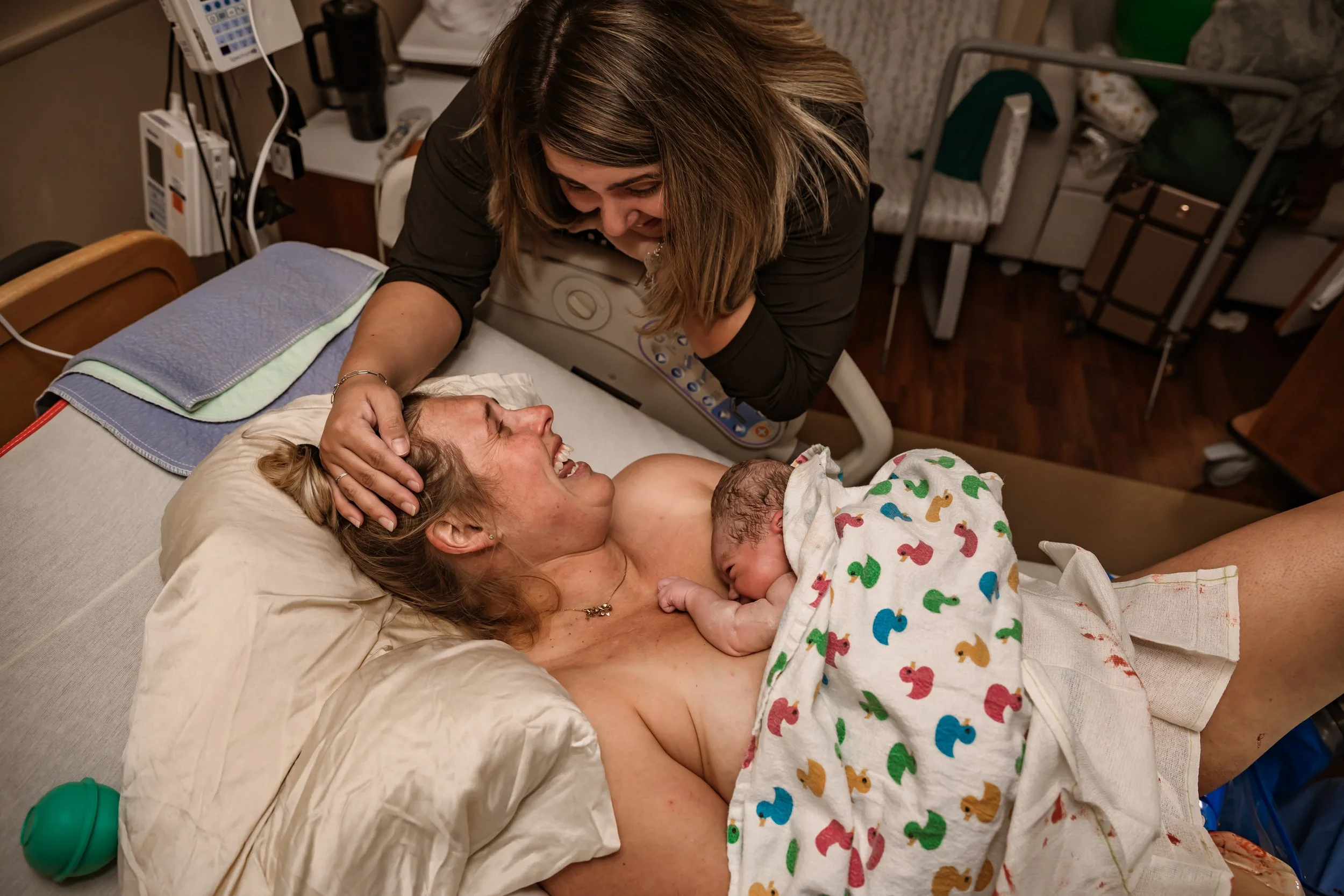

VBAC Without Fear: Why VBAC Is Personal to Me
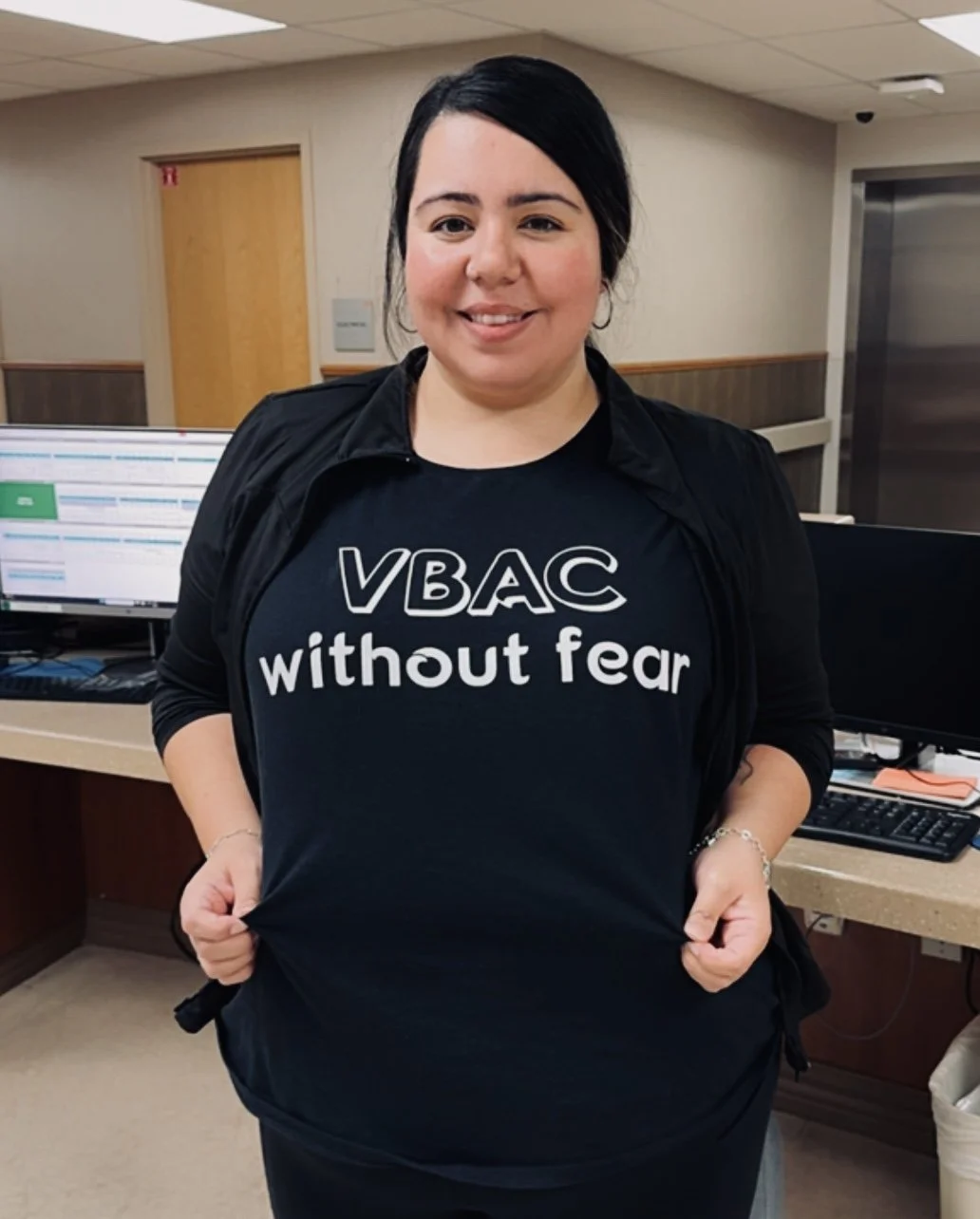

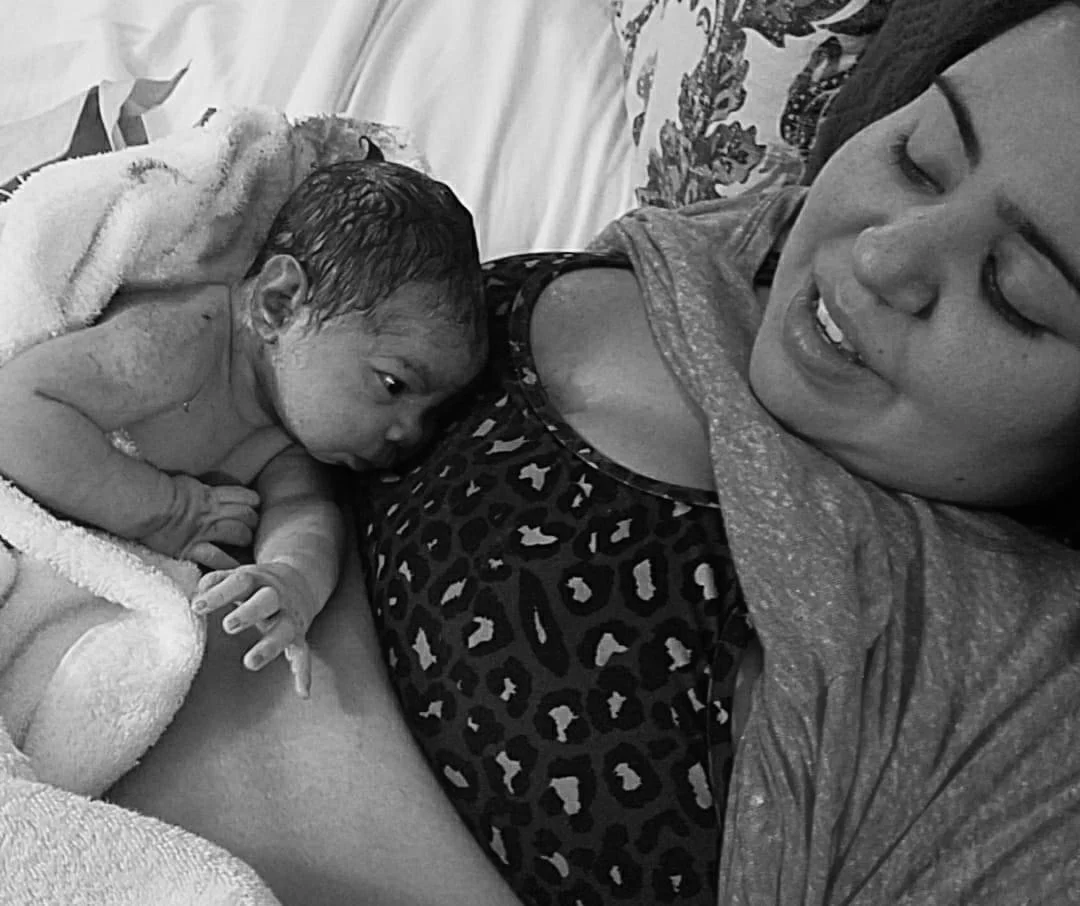
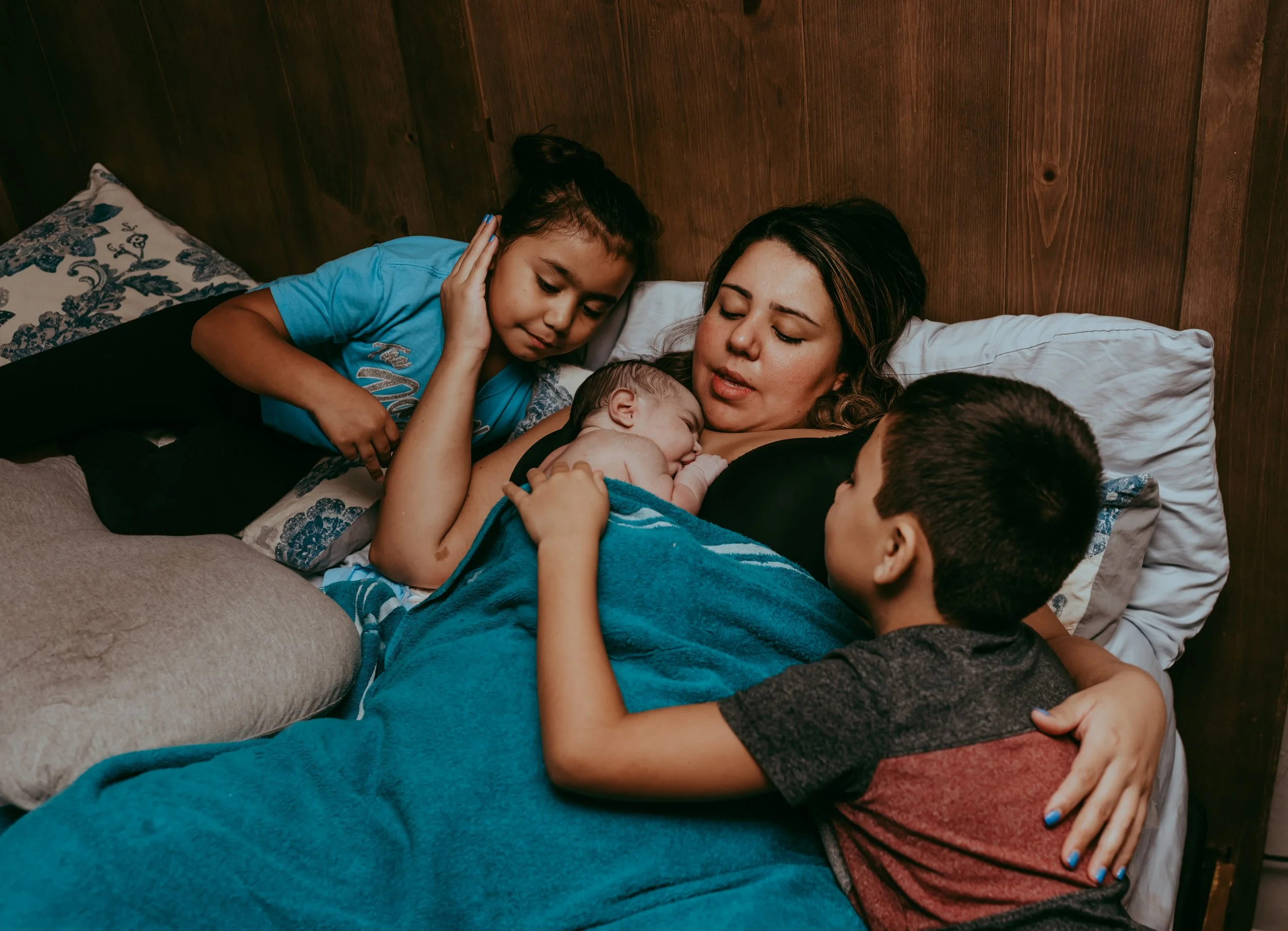
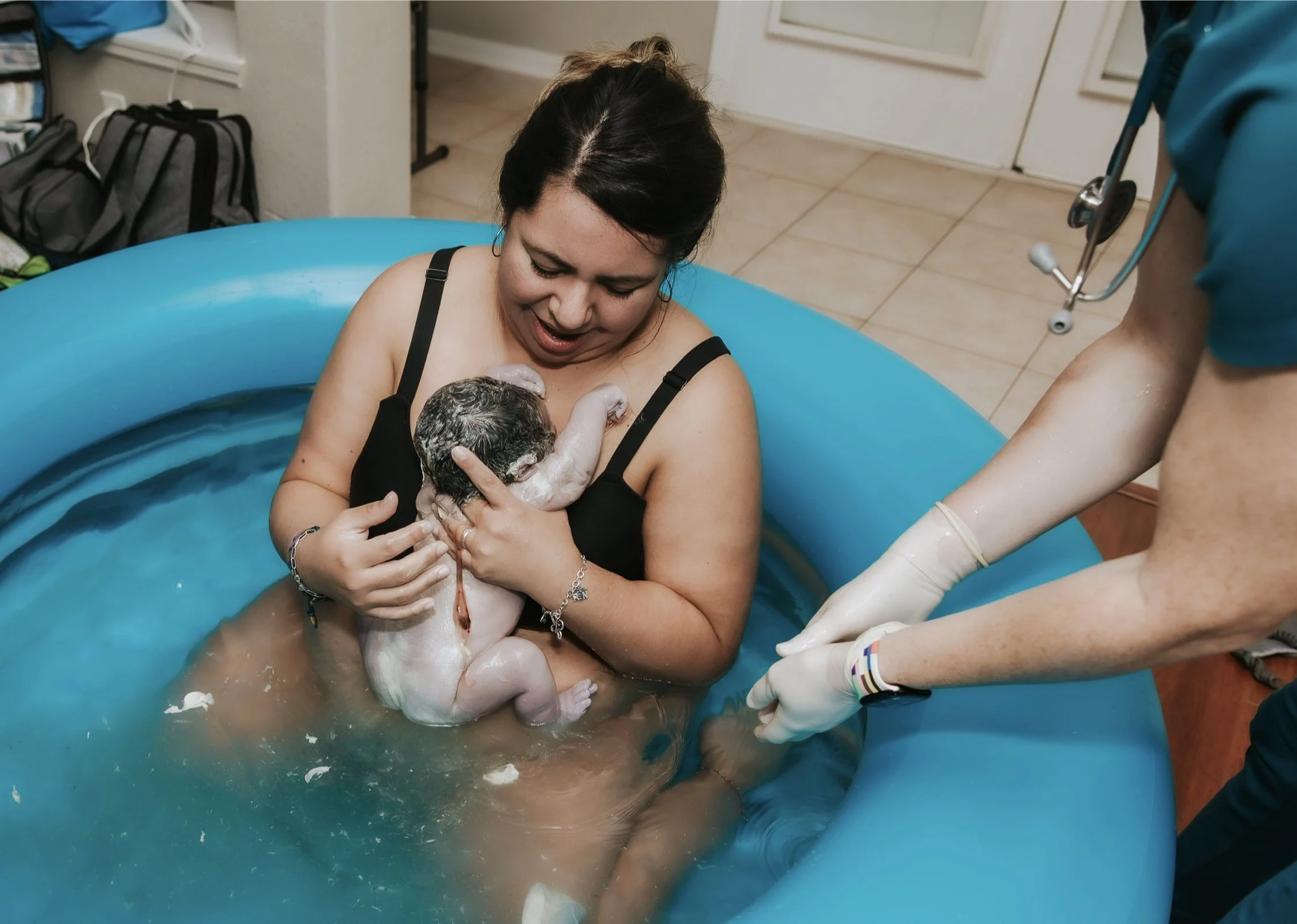

I Don’t Just Support VBAC—I’ve Lived It
My birth journey began in 2012, when I was expecting my first child. My OB recommended inducing labor if I had not gone into labor on my own by 40 weeks. This was before I had even started nursing school, so I knew very little about birth, induction, or the choices available to me.
The induction progressed fairly smoothly until it was time to push. I remember the nurses repeatedly calling my OB because they were concerned about my baby’s heart rate. Before I knew it, I was being rushed into the operating room for an emergency cesarean due to fetal distress.
My son, Roger, was born healthy and strong—with his umbilical cord wrapped around his neck, body, and leg! I was incredibly grateful that he was safe, but my birth had unfolded very differently from what I had imagined.
I became pregnant with my second baby soon afterward. Roger and his little sister are only 13 months apart! This time, I knew I wanted the opportunity to try for a vaginal birth, but my OB immediately dismissed the idea. At that time, VBAC was not nearly as widely accepted as it is today.
I called provider after provider, searching for someone who would accept me as a VBAC patient. When I could not find anyone willing to support me, I scheduled a repeat cesarean and gave birth to my daughter, Laila.
Five years later, during my third pregnancy, everything was different. I was now working as a Mother-Baby and Postpartum RN, and I had spent years learning about pregnancy, birth, and recovery. I had extensively researched the safety and success of VBAC and VBA2C—a vaginal birth after two cesareans—and I was determined to find a provider who would support my desire for a trial of labor.
By then, VBAC was beginning to gain wider acceptance among OBs, but finding support for a VBA2C was still extremely difficult. Once again, I contacted provider after provider without success.
Then I found Shannon, a midwife experienced in attending VBAC home births.
Meeting her changed the course of my life. For the first time, I had found someone who listened to me, respected my wishes, and genuinely believed in my ability to give birth. The midwifery care I received completely transformed the way I viewed birth.
My second daughter, Carmen, was born healthy and peacefully in our home. After two cesarean births, I had achieved my VBA2C.
My birth team approached my VBA2C with both confidence and caution. They remained attentive and prepared to respond if an emergency arose, but they never allowed fear to take control of the room. Their faith in birth was not careless—it was grounded in knowledge, preparation, and respect for the process.
Because they trusted my body, I learned to trust it too. Their steady confidence gave me the courage to birth without fear.
That experience ignited a fire within me to help other moms feel informed, heard, and supported. I began regularly attending home births as a birth assistant, where I continued learning and developed an even deeper respect for the strength of women and their bodies.
I later changed my nursing specialty to Labor and Delivery, working at one of the highest-volume birthing hospitals in the nation. Since then, I have had the privilege of caring for and supporting thousands of moms throughout their labor journeys. Again and again, I have witnessed the difference that compassionate, knowledgeable support can make—not only in how a birth unfolds, but also in how a mother remembers and feels about her experience.
My own family continued to grow. I gave birth to two more sons, Rudy and Ivan, both peacefully born at home.
My experiences as a mother, VBA2C mom, birth assistant, Labor and Delivery nurse, and doula have shaped every part of the support I provide today. I understand the hope, fear, uncertainty, and determination that can come with preparing for a VBAC.
Supporting VBAC does not mean ignoring risk. It means approaching birth with knowledge, preparation, and trust instead of allowing fear to lead the way.
For my patients and clients, I strive to be the steady person who trusts birth so that they can learn to trust it too. I remain watchful, informed, and prepared while helping them replace fear with confidence. Sometimes, a mother simply needs someone to hold that belief for her until she is ready to hold it for herself.
That is what VBAC Without Fear means to me.

VBAC Facts
-
TOLAC stands for Trial of Labor After Cesarean. It means laboring after a previous cesarean with the goal of having a vaginal birth.
VBAC stands for Vaginal Birth After Cesarean. It is the vaginal birth that occurs when a TOLAC is successful.
So technically, you attempt a TOLAC and, if your baby is born vaginally, you have a VBAC.
Source: NICHD -
For many families, the numbers are encouraging. Research generally shows that about 60–80% of people who attempt TOLAC have a successful VBAC, and NICHD reports that about 75% of appropriate candidates who attempt VBAC give birth vaginally.
Sources: ACOG; NICHDYour individual likelihood can be higher or lower depending on your birth history and current pregnancy.
Previous vaginal birth is one of the strongest predictors of success. In a large multicenter study of 14,529 TOLACs, 73.6% resulted in VBAC. Among those who had previously given birth vaginally, the VBAC rate increased to 86.6%, compared with 60.9% among those without a previous vaginal birth. Spontaneous labor was also associated with greater odds of VBAC success.
Source: Landon et al., MFMU Cesarean RegistryHaving already had a successful VBAC is another encouraging predictor. Multiple studies have reported subsequent VBAC success rates above 90% after a prior VBAC.
Sources: Mercer et al.; prior-VBAC cohort studies -
For many people, the appeal of TOLAC is the possibility of having a vaginal birth while avoiding another major abdominal surgery.
When VBAC is successful, potential benefits include:
• No abdominal surgery
• Faster recovery
• Lower risk of infection and hemorrhage compared with cesarean birth
• A shorter hospital stay in many cases
• Avoiding some risks that can increase with multiple cesarean surgeries
• Potentially fewer complications in future pregnanciesSource: NICHD
Future pregnancies can be an important part of this decision. Research shows that some risks associated with cesarean delivery increase as the number of cesareans increases.
In a large study of more than 30,000 cesarean births, researchers found progressively increasing rates of complications including placenta accreta, bladder and bowel injury, blood transfusion, hysterectomy, ICU admission, and longer operative times as the number of cesareans increased.
Source: Silver et al., Obstetrics & GynecologyFor example, placenta accreta occurred in approximately:
• 0.31% with a second cesarean
• 0.57% with a third cesarean
• 2.13% with a fourth cesarean
• 6.74% with a sixth or greater cesareanThe absolute risk remains relatively low for many families, but the pattern is important—especially for someone who hopes to have several children.
Source: Silver et al.There can also be personal reasons someone wants to pursue TOLAC. Some people want to experience labor or vaginal birth, hope for an easier physical recovery while caring for other children, want to avoid another surgery, or simply feel that pursuing VBAC is important to them.
Those preferences matter too.
At the same time, TOLAC is not automatically safer or better for every person. A TOLAC that ends in an unplanned cesarean has a different risk profile than a successful VBAC, and a planned repeat cesarean may be the preferred or medically recommended option in some situations.
Both options deserve an individualized conversation.
-
Uterine rupture is serious and deserves honest discussion, but it is also uncommon.
NICHD-supported research involving more than 25,000 people with a previous cesarean found uterine rupture occurred in less than 1% of those who attempted VBAC.
Sources: NICHD; NIHFor most people with a prior low-transverse uterine incision, research generally places the risk in the less-than-1% range.
Your individual risk can vary depending on factors such as your uterine incision, obstetric history, and how labor is managed.
Understanding this risk is not about creating fear. It is about having accurate information so you can compare the risks and benefits of both TOLAC and planned repeat cesarean birth.
-
Needing an induction does not automatically mean your VBAC plan is over.
Some people undergo induction or augmentation during TOLAC and still have vaginal births. However, spontaneous labor has been associated with higher VBAC success, and certain induction methods may carry different levels of risk after a previous cesarean.
The safest approach depends on your individual circumstances, so the method, benefits, risks, alternatives, and option of waiting when appropriate should be discussed with your provider.
Sources: ACOG; Landon et al. -
A doula can never promise or guarantee a VBAC, but the research is encouraging.
A study of 17,831 births found that people receiving doula care had more vaginal births after cesarean. After researchers adjusted for differences between groups, doula care was associated with approximately 15–34 additional VBACs per 100 people receiving doula services, depending on the statistical method used.
Source: Falconi et al., 2024Because this was an observational study, it does not prove that a doula caused those additional VBACs, but it provides promising research specifically connecting doula care with VBAC outcomes.
We also have a much larger body of research on continuous labor support. A Cochrane review involving more than 15,000 birthing people found that continuous labor support was associated with:
• 25% lower relative likelihood of cesarean birth
• 8% higher relative likelihood of spontaneous vaginal birth
• 10% lower relative likelihood of using pain medication
• Slightly shorter labors
• Fewer negative feelings about the birth experienceThe reduction in cesarean birth appeared particularly favorable when the continuous support person was there specifically in a doula role, although the researchers cautioned that subgroup findings should be interpreted carefully.
Source: Bohren et al., Cochrane Database of Systematic Reviews -
VBAC support starts long before labor.
During pregnancy, we can talk through your previous birth experience, identify questions you want to bring to your provider, discuss common TOLAC decisions, practice comfort measures and positioning, prepare your partner, and help you feel more confident navigating your options.
During labor, I provide continuous emotional and physical support through movement, positioning, comfort measures, reassurance, partner guidance, and helping you stay informed and involved when decisions arise.
I do not replace your medical team, diagnose, prescribe, or make medical decisions for you.
My role is to help you feel informed, prepared, supported, and actively involved in your care.
-
Then your birth is not a failure.
The purpose of preparing for a VBAC is not vaginal birth at all costs.
Sometimes circumstances change. Sometimes a TOLAC ends in a repeat cesarean. Sometimes the safest or most appropriate plan changes before labor even begins.
The goal is a positive, informed, supported birth experience—no matter how your baby is ultimately born.
A positive birth is not defined only by the route of delivery.
It can mean feeling heard. Feeling safe. Understanding what is happening. Having time to ask questions. Being treated with respect. Having your preferences honored whenever possible. And feeling supported through changes you may not have originally planned.
My job is not to measure the success of your birth by whether you achieve a VBAC.
My goal is to help you enter birth informed and prepared, support you through whatever path your labor takes, and help you walk away feeling respected, supported, and proud of the work you did.
-
American College of Obstetricians and Gynecologists (ACOG). Guidance on Vaginal Birth After Cesarean and Trial of Labor After Cesarean.
National Institute of Child Health and Human Development (NICHD). Vaginal Birth After Cesarean research and patient education.
Landon MB, et al. Factors affecting the success of trial of labor after previous cesarean delivery. MFMU Cesarean Registry. Obstetrics & Gynecology.
Falconi AM, et al. Study examining doula care and maternal outcomes, including vaginal birth after cesarean. 2024.
Bohren MA, et al. Continuous support for women during childbirth. Cochrane Database of Systematic Reviews.
Silver RM, et al. Maternal morbidity associated with multiple repeat cesarean deliveries. Obstetrics & Gynecology.
Mercer BM, et al. Research examining outcomes and success after prior VBAC.