
VBAC Doula Support You Can Feel Confident In:
A New Birth Story Begins Here
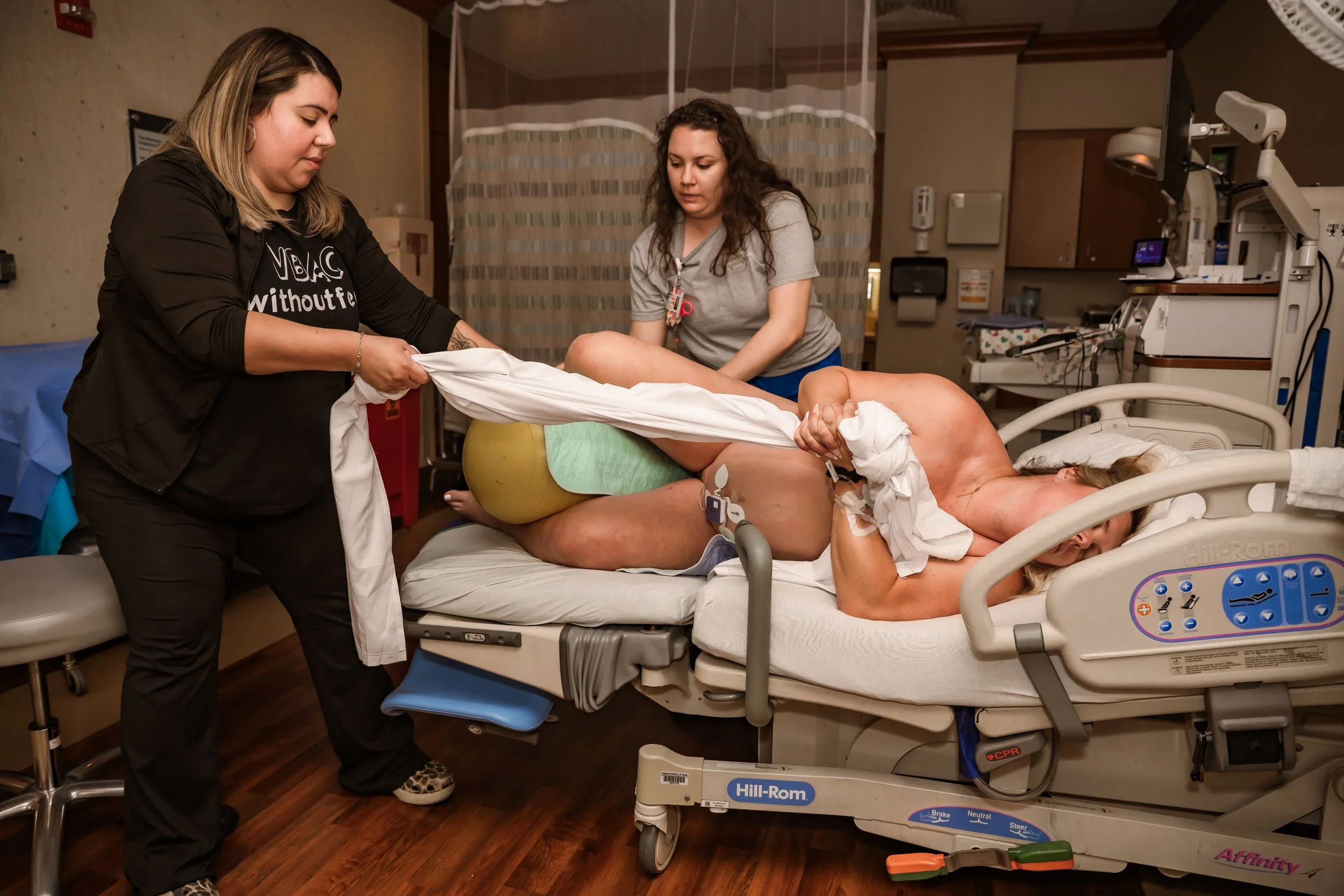
VBAC Without Fear: Why VBAC Is Personal to Me
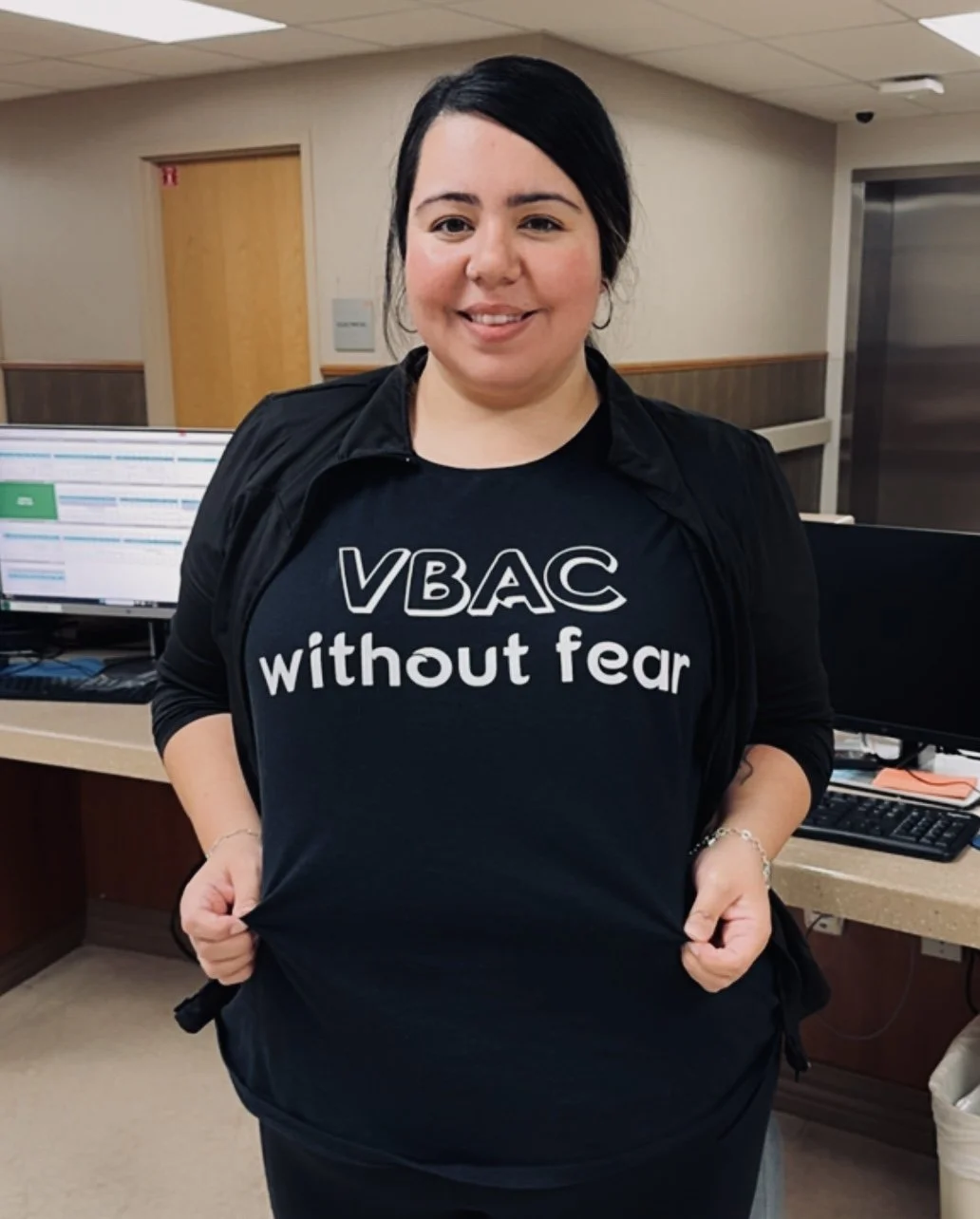
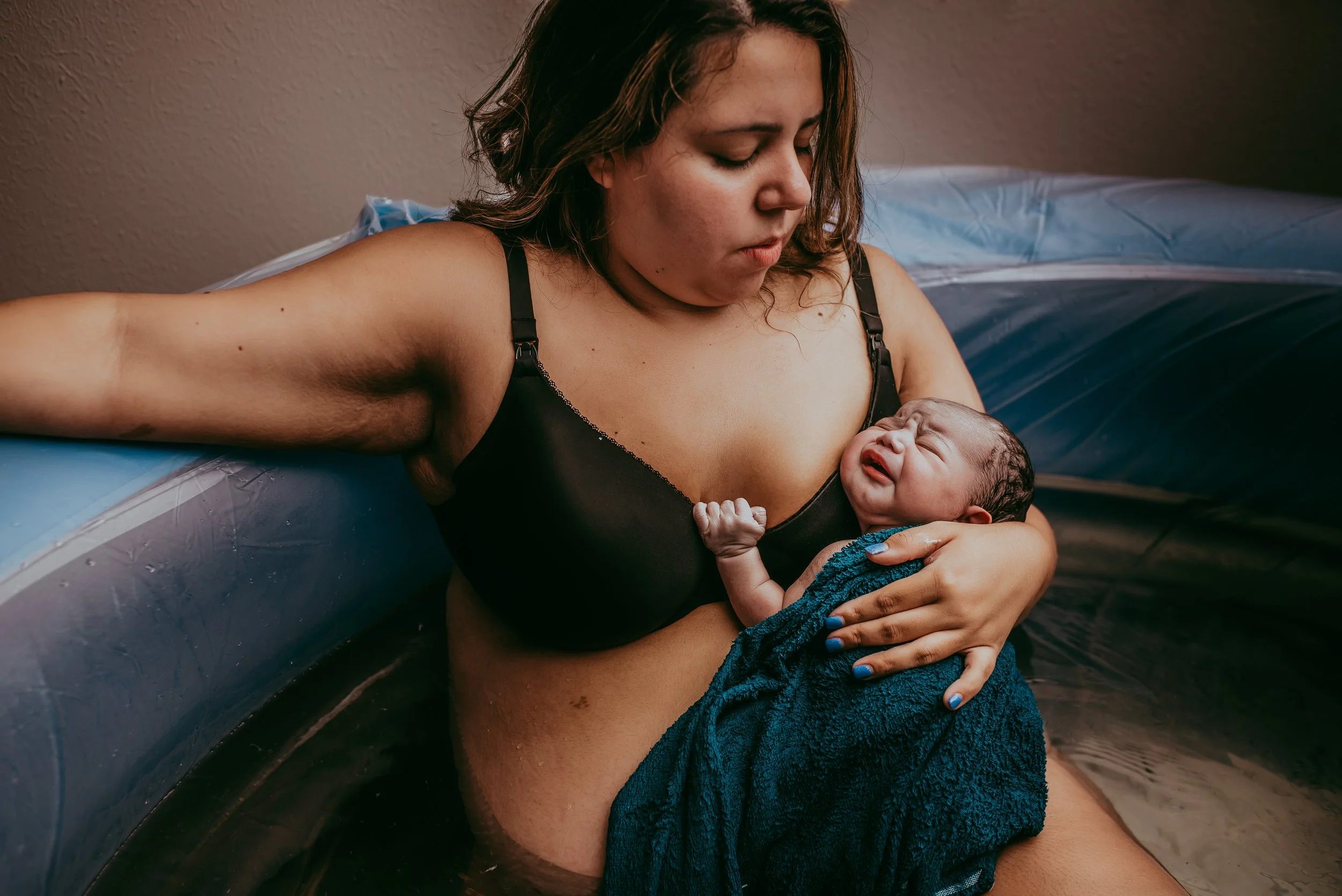
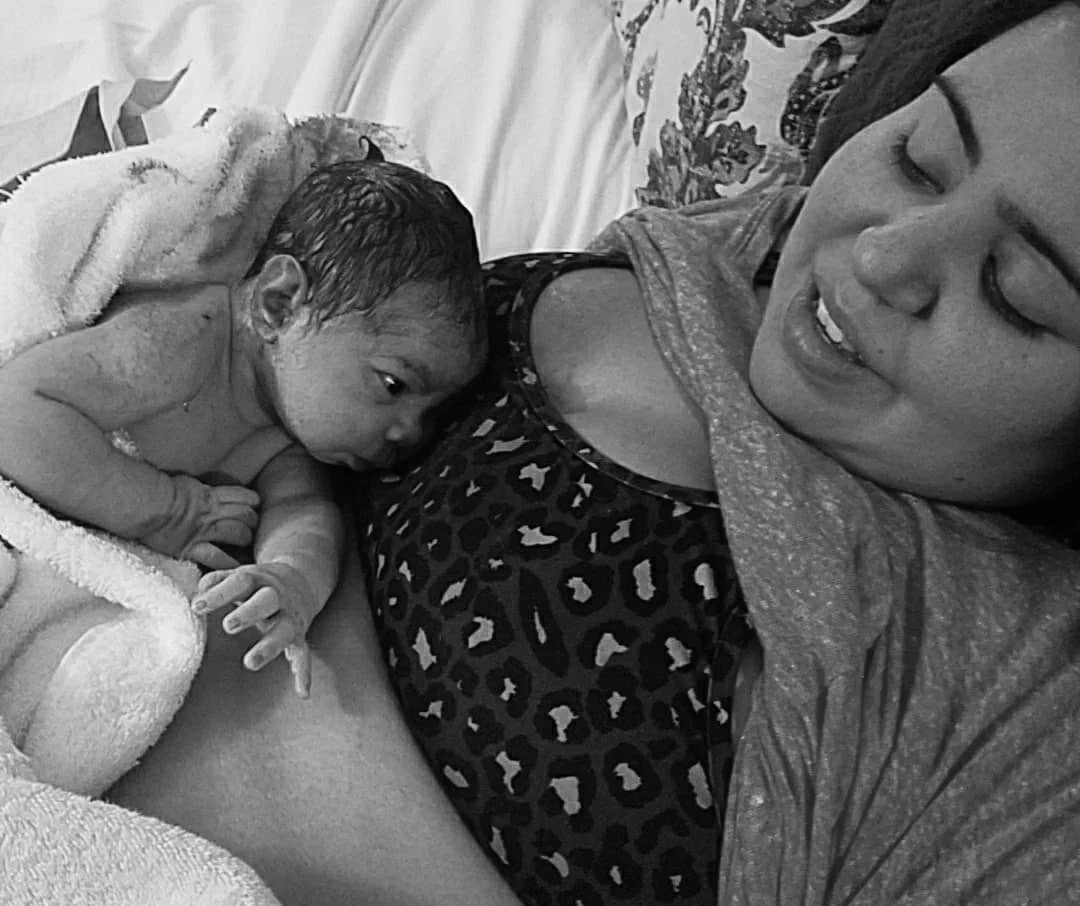
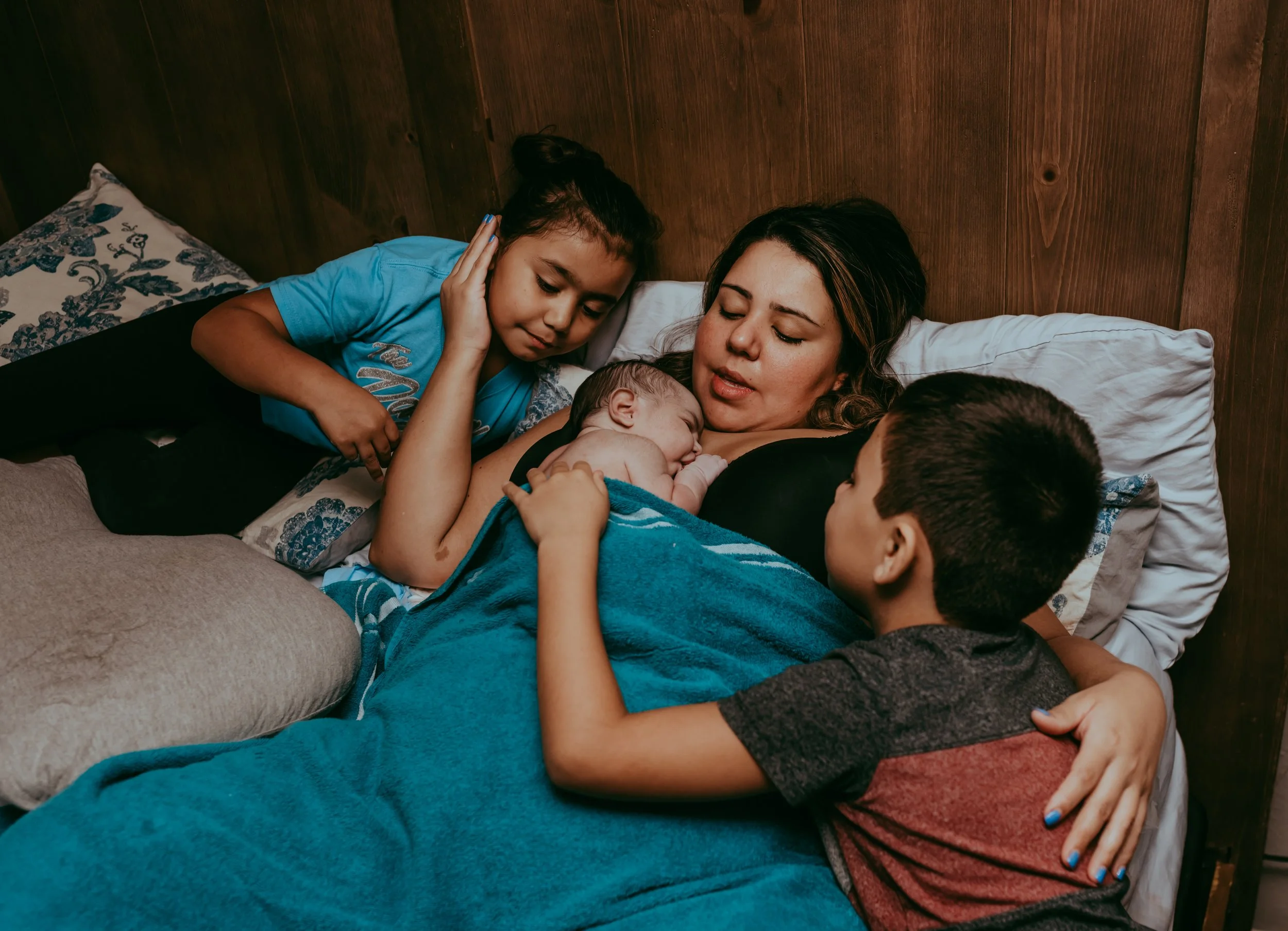
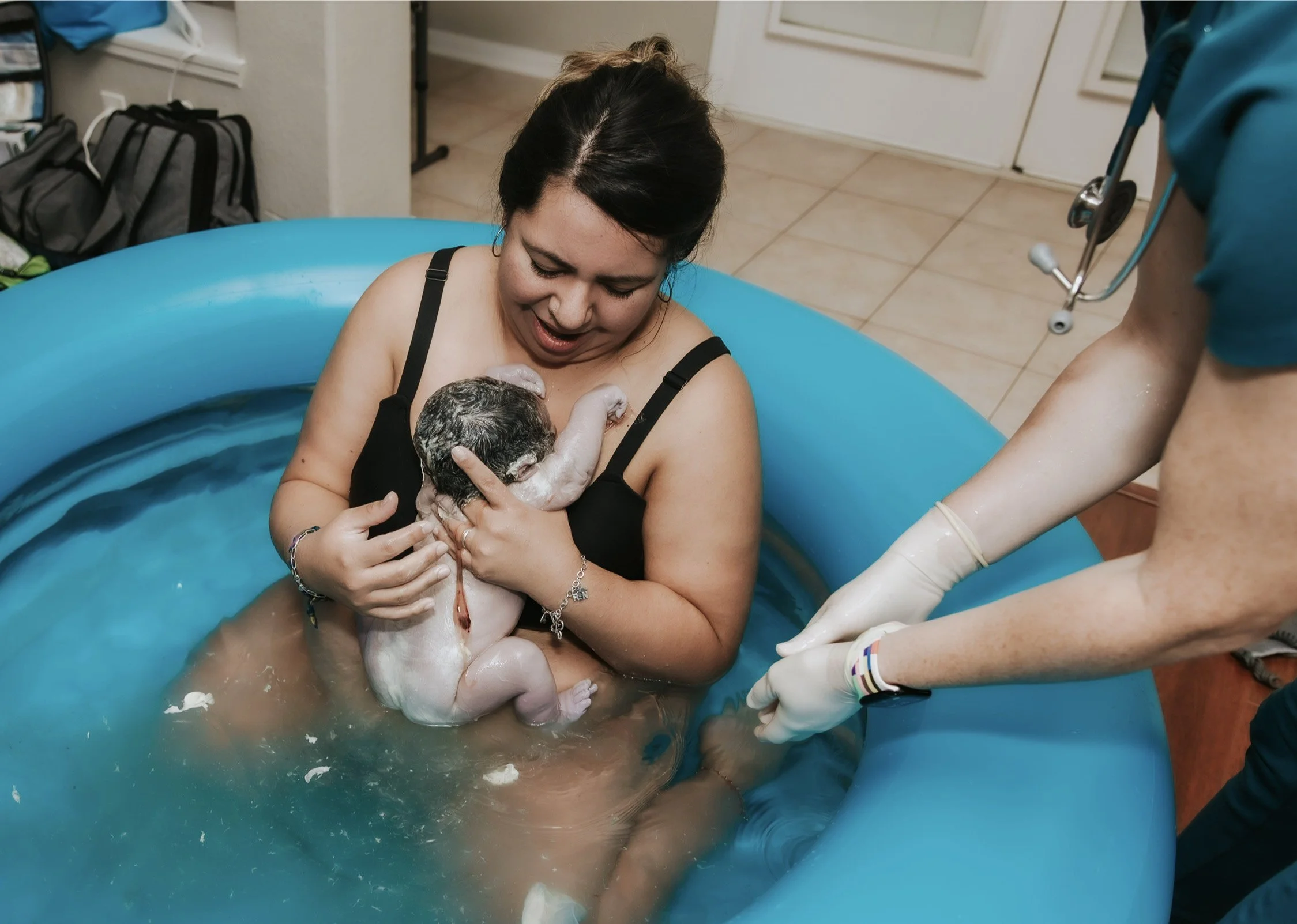

I Don’t Just Support VBAC—I’ve Lived It
My birth journey began in 2012, when I was expecting my first child. My OB recommended inducing labor if I had not gone into labor on my own by 40 weeks. This was before I had even started nursing school, so I knew very little about birth, induction, or the choices available to me.
The induction progressed fairly smoothly until it was time to push. I remember the nurses repeatedly calling my OB because they were concerned about my baby’s heart rate. Before I knew it, I was being rushed into the operating room for an emergency cesarean due to fetal distress.
My son, Roger, was born healthy and strong—with his umbilical cord wrapped around his neck, body, and leg! I was incredibly grateful that he was safe, but my birth had unfolded very differently from what I had imagined.
I became pregnant with my second baby soon afterward. Roger and his little sister are only 13 months apart! This time, I knew I wanted the opportunity to try for a vaginal birth, but my OB immediately dismissed the idea. At that time, VBAC was not nearly as widely accepted as it is today.
I called provider after provider, searching for someone who would accept me as a VBAC patient. When I could not find anyone willing to support me, I scheduled a repeat cesarean and gave birth to my daughter, Laila.
Five years later, during my third pregnancy, everything was different. I was now working as a Mother-Baby and Postpartum RN, and I had spent years learning about pregnancy, birth, and recovery. I had extensively researched the safety and success of VBAC and VBA2C—a vaginal birth after two cesareans—and I was determined to find a provider who would support my desire for a trial of labor.
By then, VBAC was beginning to gain wider acceptance among OBs, but finding support for a VBA2C was still extremely difficult. Once again, I contacted provider after provider without success.
Then I found Shannon, a midwife experienced in attending VBAC home births.
Meeting her changed the course of my life. For the first time, I had found someone who listened to me, respected my wishes, and genuinely believed in my ability to give birth. The midwifery care I received completely transformed the way I viewed birth.
My second daughter, Carmen, was born healthy and peacefully in our home. After two cesarean births, I had achieved my VBA2C.
My birth team approached my VBA2C with both confidence and caution. They remained attentive and prepared to respond if an emergency arose, but they never allowed fear to take control of the room. Their faith in birth was not careless—it was grounded in knowledge, preparation, and respect for the process.
Because they trusted my body, I learned to trust it too. Their steady confidence gave me the courage to birth without fear.
That experience ignited a fire within me to help other moms feel informed, heard, and supported. I began regularly attending home births as a birth assistant, where I continued learning and developed an even deeper respect for the strength of women and their bodies.
I later changed my nursing specialty to Labor and Delivery, working at one of the highest-volume birthing hospitals in the nation. Since then, I have had the privilege of caring for and supporting thousands of moms throughout their labor journeys. Again and again, I have witnessed the difference that compassionate, knowledgeable support can make—not only in how a birth unfolds, but also in how a mother remembers and feels about her experience.
My own family continued to grow. I gave birth to two more sons, Rudy and Ivan, both peacefully born at home.
My experiences as a mother, VBA2C mom, birth assistant, Labor and Delivery nurse, and doula have shaped every part of the support I provide today. I understand the hope, fear, uncertainty, and determination that can come with preparing for a VBAC.
Supporting VBAC does not mean ignoring risk. It means approaching birth with knowledge, preparation, and trust instead of allowing fear to lead the way.
For my patients and clients, I strive to be the steady person who trusts birth so that they can learn to trust it too. I remain watchful, informed, and prepared while helping them replace fear with confidence. Sometimes, a mother simply needs someone to hold that belief for her until she is ready to hold it for herself.
That is what VBAC Without Fear means to me.